Contents of the U.S. Presidential Decree
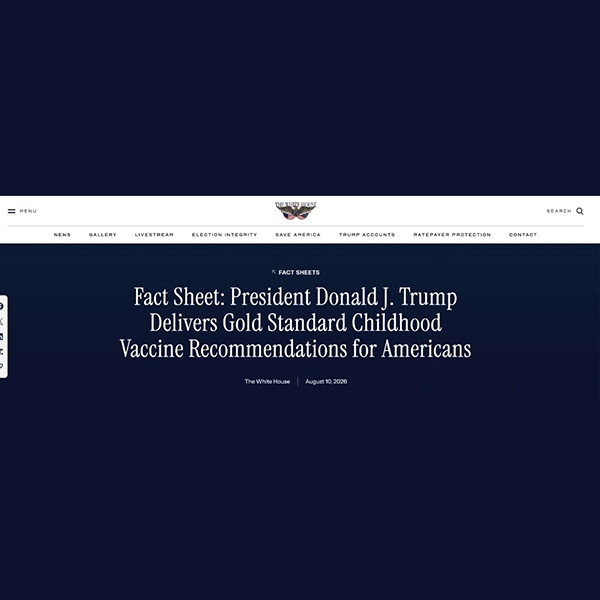
The decree, titled “Delivering Gold Standard Childhood Vaccine Recommendations for Americans,” reduces the number of childhood vaccinations generally recommended by the CDC from 18 to 11 infectious diseases. Vaccinations against measles, mumps, rubella, diphtheria, tetanus, whooping cough, polio, Haemophilus influenzae type b, pneumococcal disease, HPV, and chickenpox remain recommended. Vaccinations against hepatitis A and B, influenza, COVID-19, dengue fever, and meningococcal disease will henceforth be recommended only for specific at-risk groups.
The regulation also stipulates that the combined vaccine against measles, mumps, and rubella (MMR) must be divided into three separate doses and administered at separate doctor’s appointments. The U.S. Department of Justice is set to take legal action against states that restrict exemptions from local vaccination requirements. Trump again justified the move with unsubstantiated claims linking vaccine doses to autism diagnoses, but when asked by reporters, he acknowledged that there is no scientific evidence to support this.
Since specific vaccination requirements for schools in the United States are regulated at the state level and review procedures are mandated, these requirements do not automatically take effect nationwide.
Criticism from the medical community and the political sphere
International health organizations and medical associations immediately rejected the changes. The World Health Organization (WHO) emphasized that global vaccination standards are based on decades of scientific research and that studies unequivocally refute any link between vaccinations and autism.
"This announcement is causing unnecessary anxiety and confusion. Splitting up combination vaccines means more shots for the same level of protection and makes children less safe."
Dr. Andrew Racine, President of the American Academy of Pediatrics (AAP)
Other opinions:
“I’m a doctor. This decree is wrong. Vaccines are safe, effective, and do not cause autism. Parents should listen to pediatricians, not administrative regulations.” — Dr. Bill Cassidy, U.S. Senator and Chairman of the Senate Health Committee
“Why should we deny children a vaccine that is safe and prevents deadly diseases?” — Dr. Aaron Milstone, pediatric infectious disease specialist at Johns Hopkins University
“Adopting recommendations from other countries is not a gold standard. It means a lower level of protection for children in the U.S.” — Mike Ybarra, Chief Medical Officer of the pharmaceutical trade association PhRMA
“In light of the worst measles outbreaks in over 30 years, decisions to protect children should be made without political interference.” — Northe Saunders, president of American Families for Vaccines
Vaccination Rates: An International Comparison
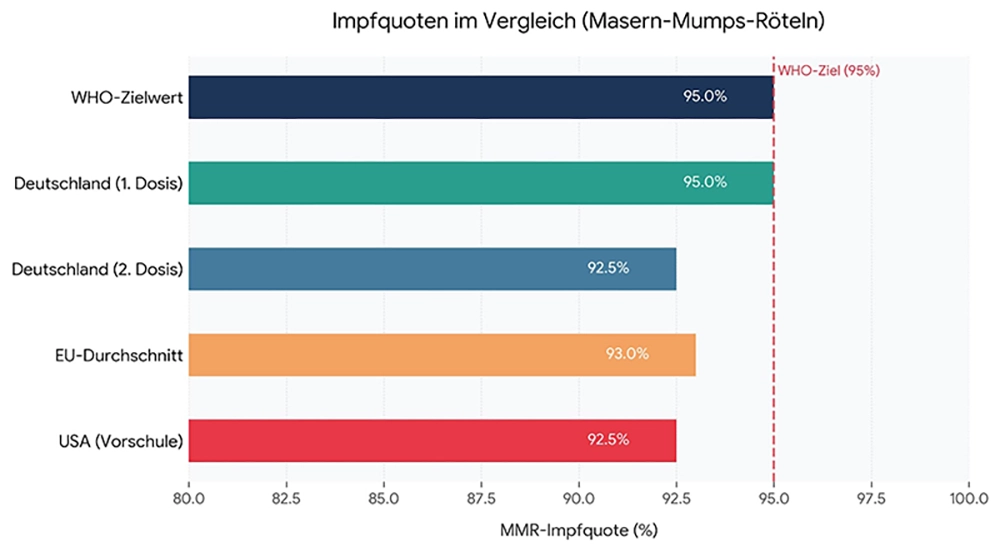
German expert agencies such as the Standing Committee on Vaccination (STIKO) and the Robert Koch Institute (RKI) also advise against splitting up combination vaccines. Administering them simultaneously reduces the number of injections and builds immunity early on. This debate is taking place against a backdrop of declining vaccination coverage rates. To ensure herd immunity against measles, the WHO recommends a coverage rate of at least 95 percent.
Disruption of the Information Infrastructure
In addition to the medical aspects, the decision also has structural consequences for public trust. According to analyses by philosopher Dr. Romy Jaster (Humboldt University of Berlin) , scientifically unfounded directives from government agencies damage a society’s “epistemic infrastructure.” When official guidelines contradict established consensus, it becomes more difficult for citizens to make reliable judgments and to distinguish scientific evidence from misinformation.
Impact on Vaccination Rates and Global Health
The political relaxation of established vaccination guidelines poses direct risks to vaccination coverage rates and global infection control. Splitting combination vaccines into separate appointments significantly increases the organizational and financial burden on families, which, as experience has shown, often leads to necessary follow-up vaccinations being delayed or skipped altogether.
Current developments in the U.S. illustrate just how vulnerable the system is when vaccination coverage rates decline: Although measles was officially considered eradicated there in 2000, regional outbreaks are on the rise again as a result of relaxed legislation in individual states and easily obtainable vaccine exemptions. As a result, the MMR vaccination rate among first-graders has already fallen below 93 percent—well below the 95 percent threshold for herd immunity required by the World Health Organization. The latest softening of recommendations at the federal level reinforces this trend, as it provides political legitimacy to existing reservations.
Since pathogens do not stop at national borders, declining vaccination rates in the U.S. increase the global risk of transmission and jeopardize cross-border eradication programs. Furthermore, deviating from scientifically established standards undermines public trust in medical authorities, which fuels the spread of misinformation and causes lasting damage to the international consensus on public health.